“Android.com 404 Game”
My Contribution
Engagement Type
Case Study
Turning an Error into an Experience
A 404 page usually marks the end of an experience. For Android, we saw an opportunity to make it part of one.
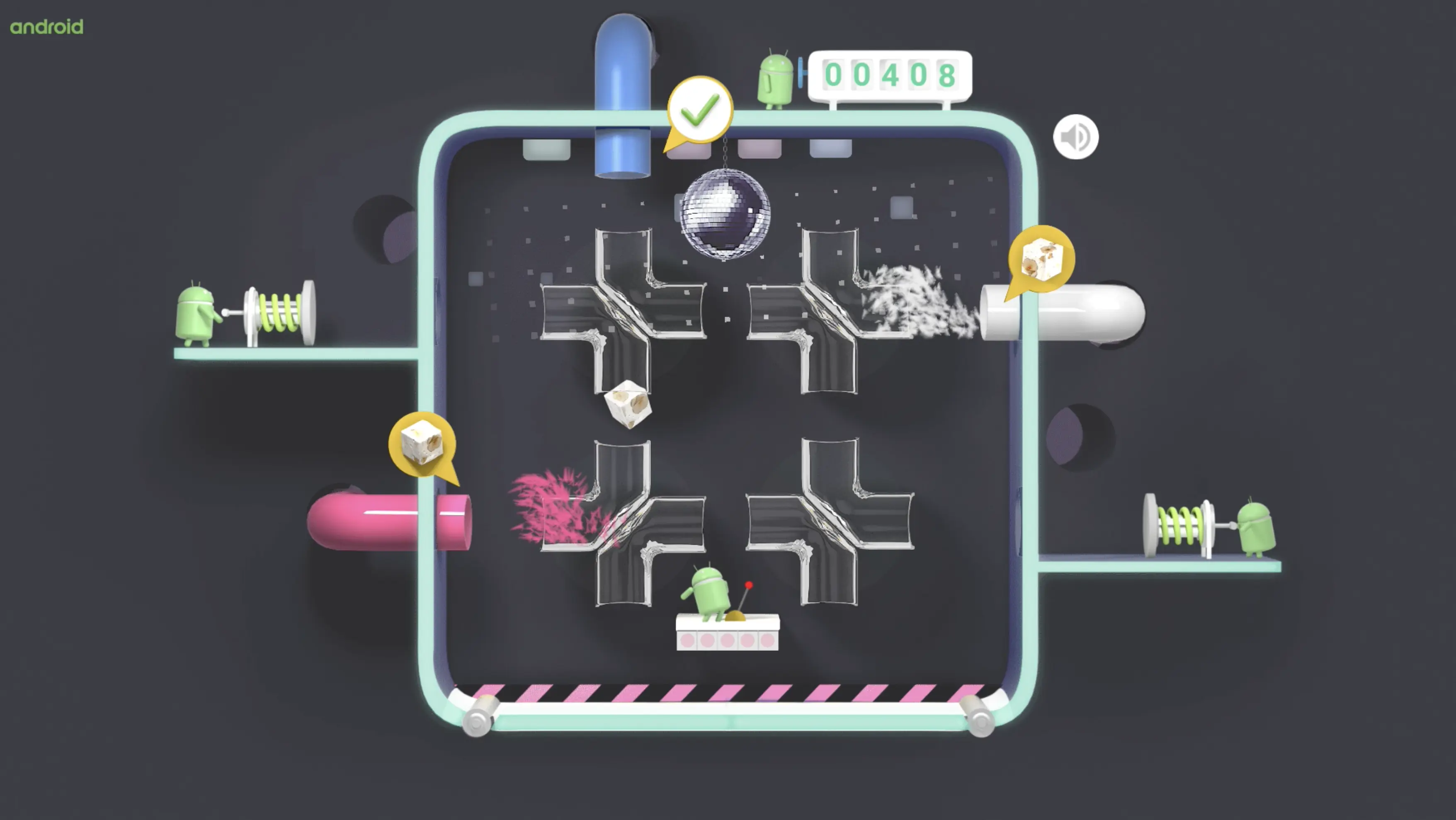
I helped shape the concept of transforming Android.com’s 404 page into an interactive browser game, turning an otherwise frustrating moment into something playful, memorable, and distinctly Android. The experience balanced two needs: giving visitors useful paths back into Android.com while offering them the unexpected option to stay and play.
Android 404 remains one of the most enjoyable projects I’ve worked on. It brought together concept development, game design, technology, and cross-functional collaboration around a deceptively simple challenge: turn one of the web’s most frustrating moments into something people would actually want to experience.
From Concept to Delivery
I managed the project from inception through delivery, working directly with Google and Android stakeholders in Mountain View, California. I traveled to Mountain View as needed for stakeholder meetings, planning, requirements discussions, reviews, and coordination, while managing the broader effort from Los Angeles.
My responsibilities extended beyond maintaining a schedule. I helped form the game concept, planned meetings, maintained and updated requirements as the experience evolved, and translated stakeholder needs into actionable direction for the design and development teams.
I maintained the delivery schedule in coordination with the producer, keeping the multidisciplinary effort aligned as the project moved from concept through design, development, testing, and final delivery.
Leading Design & Development Together
Approximately 17 people contributed across different phases of the engagement, although not everyone was involved day to day. My primary focus was overseeing how design and development worked together so that gameplay, visual execution, technical implementation, requirements, and delivery remained aligned.
The development team built the browser-based game using PixiJS, an HTML5 engine with a 2D WebGL renderer, JavaScript for application logic, and a proprietary sound engine. Original 3D modeling was created in Maya by the motion design team and exported as sprite sheets for use within the experience.
I did not write the application code. My role was to direct the multidisciplinary effort, maintain alignment between disciplines and stakeholders, manage requirements and delivery, and keep the experience moving toward launch.
Quality Across Los Angeles & Mountain View
Testing was an important part of getting a seemingly simple experience right. I oversaw QA resources in both Los Angeles and Mountain View, working particularly closely with the LA QA team throughout development.
I also personally tested the game as it evolved. Staying close to the actual experience allowed me to evaluate how design and development were coming together, identify issues, and work with the team to resolve problems before delivery.
For an interactive game, quality was about more than whether the application technically worked. Gameplay, responsiveness, visual behavior, sound, and the overall experience all needed to come together as a cohesive product.
Making the 404 Part of Android.com
The finished experience reimagined the conventional 404 page as both a useful navigation point and a destination of its own. Visitors could return to major areas of Android.com or play a WebGL-powered pipe-routing game inspired by the personality and visual language of Android.
The result demonstrated what can happen when product thinking, design, development, and delivery operate as one collaborative process. What began as an error state became an opportunity to create a memorable interaction with the Android brand.
Impact & Recognition
Android 404 launched in 2016 and became a playful part of the Android.com experience. The project received industry recognition while demonstrating that even a small, utilitarian moment in a digital ecosystem can become an opportunity for engagement when teams are given room to rethink the expected experience.
Featured
Android 404 remains a standout project in my career because it combined meaningful delivery responsibility with a genuinely fun creative problem. I had the opportunity to work directly with Google and Android stakeholders, help shape the concept, lead a multidisciplinary team through delivery, and stay close to the experience through hands-on testing. It represents the kind of work I enjoy most: bringing people, ideas, design, and technology together to turn a simple opportunity into a memorable digital experience.